This is default featured slide 1 title

Go to Blogger edit html and find these sentences.Now replace these sentences with your own descriptions.

This is default featured slide 2 title

Go to Blogger edit html and find these sentences.Now replace these sentences with your own descriptions.

This is default featured slide 3 title

Go to Blogger edit html and find these sentences.Now replace these sentences with your own descriptions.

This is default featured slide 4 title

Go to Blogger edit html and find these sentences.Now replace these sentences with your own descriptions.

This is default featured slide 5 title

Go to Blogger edit html and find these sentences.Now replace these sentences with your own descriptions.

Friday, 1 April 2016

A guide for First time Parents


You've survived 9 months of pregnancy. You've made it through the excitement of labor and delivery, and now you're ready to head home and begin life with your baby. Once home, though, you frantically realize you have no idea what you're doing!

These tips can help even the most nervous first-time parents feel confident about caring for a newborn in no time.

Getting Help After the Birth
Consider getting help during this time, which can be very hectic and overwhelming. While in the hospital, talk to the experts around you. Many hospitals have feeding specialists or lactation consultants who can help you get started nursing or bottle-feeding. In addition, nurses are a great resource to show you how to hold, burp, change, and care for your baby.

For in-home help, you might want to hire a baby nurse or a responsible neighborhood teenager to help you for a short time after the birth. Your doctor or the hospital can be good resources for finding information about in-home help, and might even be able to make a referral to home health agencies.

In addition, relatives and friends often want to help. Even if you disagree on certain things, don't dismiss their experience. But if you don't feel up to having guests or you have other concerns, don't feel guilty about placing restrictions on visitors.

Handling a Newborn
If you haven't spent a lot of time around newborns, their fragility may be intimidating. Here are a few basics to remember:

Wash your hands (or use a hand sanitizer) before handling your baby. Newborns don't have a strong immune system yet, so they are susceptible to infection. Make sure that everyone who handles your baby has clean hands.
Be careful to support your baby's head and neck. Cradle the head when carrying your baby and support the head when carrying the baby upright or when you lay your baby down.
Be careful not to shake your newborn, whether in play or in frustration. Shaking that is vigorous can cause bleeding in the brain and even death. If you need to wake your infant, don't do it by shaking — instead, tickle your baby's feet or blow gently on a cheek.
Make sure your baby is securely fastened into the carrier, stroller, or car seat. Limit any activity that could be too rough or bouncy.
Remember that your newborn is not ready for rough play, such as being jiggled on the knee or thrown in the air.


Bonding and Soothing Techniques
Bonding, probably one of the most pleasurable aspects of infant care, occurs during the sensitive time in the first hours and days after birth when parents make a deep connection with their infant. Physical closeness can promote an emotional connection.

For infants, the attachment contributes to their emotional growth, which also affects their development in other areas, such as physical growth. Another way to think of bonding is "falling in love" with your baby. Children thrive from having a parent or other adult in their life who loves them unconditionally.

Begin bonding by cradling your baby and gently stroking him or her in different patterns. Both you and your partner can also take the opportunity to be "skin-to-skin," holding your newborn against your own skin while feeding or cradling.

Babies, especially premature babies and those with medical problems, may respond to infant massage. Certain types of massage may enhance bonding and help with infant growth and development. Many books and videos cover infant massage — ask your doctor for recommendations. Be careful, however — babies are not as strong as adults, so massage your baby gently.

Babies usually love vocal sounds, such as talking, babbling, singing, and cooing. Your baby will probably also love listening to music. Baby rattles and musical mobiles are other good ways to stimulate your infant's hearing. If your little one is being fussy, try singing, reciting poetry and nursery rhymes, or reading aloud as you sway or rock your baby gently in a chair.

Some babies can be unusually sensitive to touch, light, or sound, and might startle and cry easily, sleep less than expected, or turn their faces away when someone speaks or sings to them. If that's the case with your baby, keep noise and light levels low to moderate.

Swaddling, which works well for some babies during their first few weeks, is another soothing technique first-time parents should learn. Proper swaddling keeps a baby's arms close to the body while allowing for some movement of the legs. Not only does swaddling keep a baby warm, but it seems to give most newborns a sense of security and comfort. Swaddling also may help limit the startle reflex, which can wake a baby.

Here's how to swaddle a baby:

Spread out the receiving blanket, with one corner folded over slightly.
Lay the baby face-up on the blanket with his or her head above the folded corner.
Wrap the left corner over the body and tuck it beneath the back of the baby, going under the right arm.
Bring the bottom corner up over the baby's feet and pull it toward the head, folding the fabric down if it gets close to the face. Be sure not to wrap too tightly around the hips. Hips and knees should be slightly bent and turned out. Wrapping your baby too tightly may increase the chance of hip dysplasia.
Wrap the right corner around the baby, and tuck it under the baby's back on the left side, leaving only the neck and head exposed. To make sure your baby is not wrapped too tight, make sure you can slip a hand between the blanket and your baby's chest, which will allow comfortable breathing. Make sure, however, that the blanket is not so loose that it could become undone.
Babies should not be swaddled after they're 2 months old. At this age, some babies can roll over while swaddled, which increases their risk of sudden infant death syndrome (SIDS).


Diapering Dos and Don'ts
You'll probably decide before you bring your baby home whether you'll use cloth or disposable diapers. Whichever you use, your little one will dirty diapers about 10 times a day, or about 70 times a week.

Before diapering your baby, make sure you have all supplies within reach so you won't have to leave your infant unattended on the changing table. You'll need:

a clean diaper
fasteners (if cloth prefold diapers are used)
diaper ointment if the baby has a rash
a container of warm water
clean washcloth, diaper wipes, or cotton balls
After each bowel movement or if the diaper is wet, lay your baby on his or her back and remove the dirty diaper. Use the water, cotton balls, and washcloth or the wipes to gently wipe your baby's genital area clean. When removing a boy's diaper, do so carefully because exposure to the air may make him urinate. When wiping a girl, wipe her bottom from front to back to avoid a urinary tract infection. To prevent or heal a rash, apply ointment. Always remember to wash your hands thoroughly after changing a diaper.

Diaper rash is a common concern. Typically the rash is red and bumpy and will go away in a few days with warm baths, some diaper cream, and a little time out of the diaper. Most rashes occur because the baby's skin is sensitive and becomes irritated by the wet or poopy diaper.

To prevent or heal diaper rash, try these tips:

Change your baby's diaper frequently, and as soon as possible after bowel movements.
After cleaning the area with mild soap and water or a wipe, apply a diaper rash or "barrier" cream. Creams with zinc oxide are preferred because they form a barrier against moisture.
If you use cloth diapers, wash them in dye- and fragrance-free detergents.
Let the baby go undiapered for part of the day. This gives the skin a chance to air out.
If the diaper rash continues for more than 3 days or seems to be getting worse, call your doctor — it may be caused by a fungal infection that requires a prescription.


Bathing Basics
You should give your baby a sponge bath until:

the umbilical cord falls off and the navel heals completely (1-4 weeks)
the circumcision heals (1-2 weeks)
A bath two or three times a week in the first year is fine. More frequent bathing may be drying to the skin.

Have these items ready before bathing your baby:

a soft, clean washcloth
mild, unscented baby soap and shampoo
a soft brush to stimulate the baby's scalp
towels or blankets
a clean diaper
clean clothes
Sponge baths. For a sponge bath, select a safe, flat surface (such as a changing table, floor, or counter) in a warm room. Fill a sink, if nearby, or bowl with warm (not hot!) water. Undress your baby and wrap him or her in a towel. Wipe your infant's eyes with a washcloth (or a clean cotton ball) dampened with water only, starting with one eye and wiping from the inner corner to the outer corner. Use a clean corner of the washcloth or another cotton ball to wash the other eye. Clean your baby's nose and ears with the damp washcloth. Then wet the cloth again and, using a little soap, wash his or her face gently and pat it dry.

Next, using baby shampoo, create a lather and gently wash your baby's head and rinse. Using a wet cloth and soap, gently wash the rest of the baby, paying special attention to creases under the arms, behind the ears, around the neck, and in the genital area. Once you have washed those areas, make sure they are dry and then diaper and dress your baby.

Tub baths. When your baby is ready for tub baths, the first baths should be gentle and brief. If he or she becomes upset, go back to sponge baths for a week or two, then try the bath again.

In addition to the supplies listed above, add:

an infant tub with 2 to 3 inches of warm — not hot! — water (to test the water temperature, feel the water with the inside of your elbow or wrist). An infant tub is a plastic tub that can fit in the bathtub; it's a better size for babies and makes bathing easier to manage.
Undress your baby and then place him or her in the water immediately, in a warm room, to prevent chills. Make sure the water in the tub is no more than 2 to 3 inches deep, and that the water is no longer running in the tub. Use one of your hands to support the head and the other hand to guide the baby in feet-first. Speaking gently, slowly lower your baby up to the chest into the tub.

Use a washcloth to wash his or her face and hair. Gently massage your baby's scalp with the pads of your fingers or a soft baby hairbrush, including the area over the fontanelles (soft spots) on the top of the head. When you rinse the soap or shampoo from your baby's head, cup your hand across the forehead so the suds run toward the sides and soap doesn't get into the eyes. Gently wash the rest of your baby's body with water and a small amount of soap.

Throughout the bath, regularly pour water gently over your baby's body so he or she doesn't get cold. After the bath, wrap your baby in a towel immediately, making sure to cover his or her head. Baby towels with hoods are great for keeping a freshly washed baby warm.

While bathing your infant, never leave the baby alone. If you need to leave the bathroom, wrap the baby in a towel and take him or her with you.


Circumcision and Umbilical Cord Care
Immediately after circumcision, the tip of the penis is usually covered with gauze coated with petroleum jelly to keep the wound from sticking to the diaper. Gently wipe the tip clean with warm water after a diaper change, then apply petroleum jelly to the tip so it doesn't stick to the diaper. Redness or irritation of the penis should heal within a few days, but if the redness or swelling increases or if pus-filled blisters form, infection may be present and you should call your baby's doctor immediately.

Umbilical cord care in newborns is also important. Some doctors suggest swabbing the area with rubbing alcohol until the cord stump dries up and falls off, usually in 10 days to 3 weeks, but others recommend leaving the area alone. Talk to your child's doctor to see what he or she prefers.

An infant's navel area shouldn't be submerged in water until the cord stump falls off and the area is healed. Until it falls off, the cord stump will change color from yellow to brown or black — this is normal. Consult your doctor if the navel area becomes reddened or if a foul odor or discharge develops.

Feeding and Burping Your Baby
Whether feeding your newborn by breast or a bottle, you may be stumped as to how often to do so. Generally, it's recommended that babies be fed on demand — whenever they seem hungry. Your baby may cue you by crying, putting fingers in his or her mouth, or making sucking noises.

A newborn baby needs to be fed every 2 to 3 hours. If you're breastfeeding, give your baby the chance to nurse about 10-15 minutes at each breast. If you're formula-feeding, your baby will most likely take about 2-3 ounces (60-90 milliliters) at each feeding.

Some newborns may need to be awakened every few hours to make sure they get enough to eat. Call your baby's doctor if you need to awaken your newborn frequently or if your baby doesn't seem interested in eating or sucking.

If you're formula-feeding, you can easily monitor if your baby is getting enough to eat, but if you're breastfeeding, it can be a little trickier. If your baby seems satisfied, produces about six wet diapers and several stools a day, sleeps well, and is gaining weight regularly, then he or she is probably eating enough.

Another good way to tell if your baby is getting milk is to notice if your breasts feel full before feeding your baby and less full after feeding. Talk to your doctor if you have concerns about your child's growth or feeding schedule.

Babies often swallow air during feedings, which can make them fussy. You can prevent this by burping your baby frequently. Try burping your baby every 2-3 ounces (60-90 milliliters) if you bottle-feed, and each time you switch breasts if you breastfeed.

If your baby tends to be gassy, has gastroesophageal reflux, or seems fussy during feeding, try burping your little one every ounce during bottle-feeding or every 5 minutes during breastfeeding.

Try these burping strategies:

Hold your baby upright with his or her head on your shoulder. Support your baby's head and back while gently patting the back with your other hand.
Sit your baby on your lap. Support your baby's chest and head with one hand by cradling your baby's chin in the palm of your hand and resting the heel of your hand on your baby's chest (be careful to grip your baby's chin — not throat). Use the other hand to gently pat your baby's back.
Lay your baby face-down on your lap. Support your baby's head, making sure it's higher than his or her chest, and gently pat or rub his or her back.
If your baby doesn't burp after a few minutes, change the baby's position and try burping for another few minutes before feeding again. Always burp your baby when feeding time is over, then keep him or her in an upright position for at least 10-15 minutes

Sleeping Basics
As a new parent, you may be surprised to learn that your newborn, who seems to need you every minute of the day, actually sleeps about 16 hours or more! Newborns typically sleep for periods of 2-4 hours. Don't expect yours to sleep through the night — the digestive system of babies is so small that they need nourishment every few hours and should be awakened if they haven't been fed for 4 hours (or more frequently if your doctor is concerned about weight gain).

When can you expect your baby to sleep through the night? Many babies sleep through the night (between 6-8 hours) at 3 months of age, but if yours doesn't, it's not a cause for concern. Like adults, babies must develop their own sleep patterns and cycles, so if your newborn is gaining weight and appears healthy, don't despair if he or she hasn't slept through the night at 3 months.

It's important to place babies on their backs to sleep to reduce the risk of SIDS. In addition, remove all fluffy bedding, quilts, sheepskins, stuffed animals, and pillows from the crib to ensure that your baby doesn't get tangled in them or suffocate. Also be sure to alternate the position of your baby's head from night to night (first right, then left, and so on) to prevent the development of a flat spot on one side of the head.

Many newborns have their days and nights "mixed up." They tend to be more awake and alert at night, and more sleepy during the day. One way to help them is to keep the stimulation at night to a minimum. Keep the lights low, such as by using a nightlight. Reserve talking and playing with your baby for the daytime. When your baby wakes up during the day try to keep him or her awake a little longer by talking and playing.

Even though you may feel anxious about handling a newborn, in a few short weeks you'll develop a routine and be parenting like a pro! If you have questions or concerns, ask your doctor to recommend resources that can help you and your baby grow together.  source

Wednesday, 23 March 2016

16 MOST COMMON HEALTH TIPS YOU MUST KNOW

All of us are following one or the other health related page on Facebook. After all, we all want to live long and enjoy good health. Why not follow the pages that give you natural and inexpensive tips to stay healthy. There are many pages/communities/groups on Facebook related to health, beauty and wellness. Therefore, we tend to come across same tips appearing on different pages, at times carrying the same visual. So, we decided to share with you the most popular health tips shared across the social media platform, served all in one place.
1.Eat apples
Probably, you must have read in a post to have an apple first thing in the morning before even having your daily coffee, as it is more effective in waking you up. Why not, have a goodness of health first thing in the morning and also enjoy the myriad other health benefits.
Health tip 1


2.Exercise
Fitness, health and overall beauty, we all need to exercise as it lets us live stress-free. So, tighten up your shoes and get set, go!
Health tip 2


3.Balanced body and mind regime
This is like the most popular post across all health pages. All in one update that shares the secrets to live healtlhy.
Health tip 3


4.Top 5 secrets to good health
Although, we list it on number four spot, this update has been a winner when it comes to visibility. All top health pages have shared it time and again and hope some of you are following it as well.
Health tip 4


5.Make way for important health tips. Yes, please share it if you haven’t shared yet!
Health Tip 5


6.Drink green tea
I am sure before the dawn of the social media platforms, we were unaware of the sea of health benefits that green tea offers. In fact, don’t you think Facebook is the reason why so many of us have started to drink green tea on a daily basis.
Health tip 6


7.Go bananas, bananas
The poor man’s fruit offers innumerable health benefits. You can use the peel to whiten your teeth as well. I am sure you must have read it somewhere.
Health tip 7


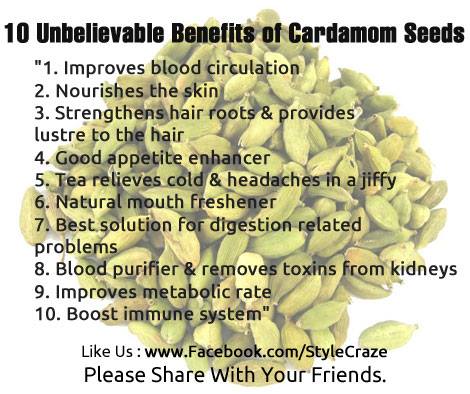
8.Have cardamom seeds
Are you having it or not? If not, then start from today. Embrace health!
Health tip[ 8


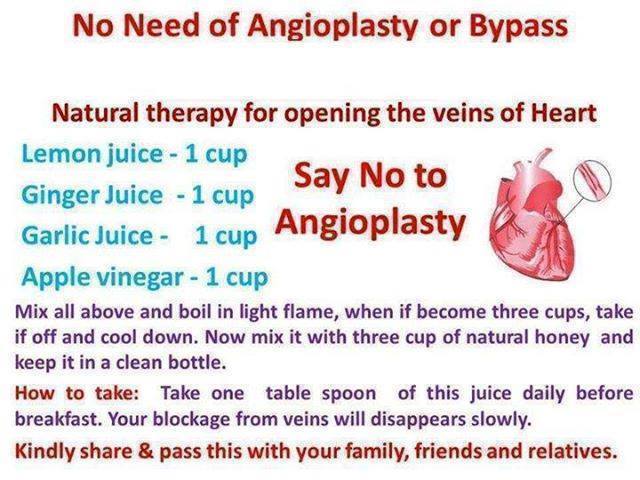
9.Natural therapy for your heart
We are not sure about whether this works or not, but hands-down all health related pages and communities share this once in a while. Don’t you agree?
Health tip 9


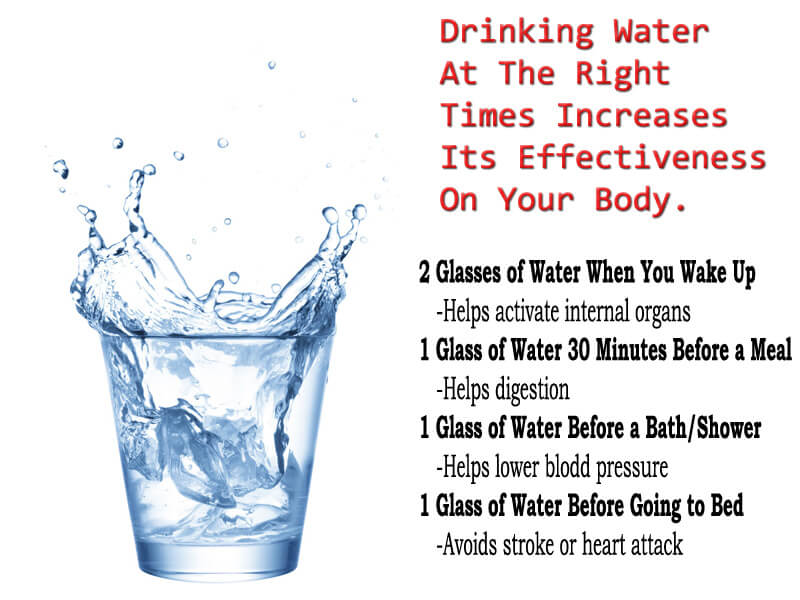
10.Drink water
While we need to sip water throughout the day to keep ourselves hydrated, there are numerous other reasons why you should consume enough water. Read on!
Health tip 10


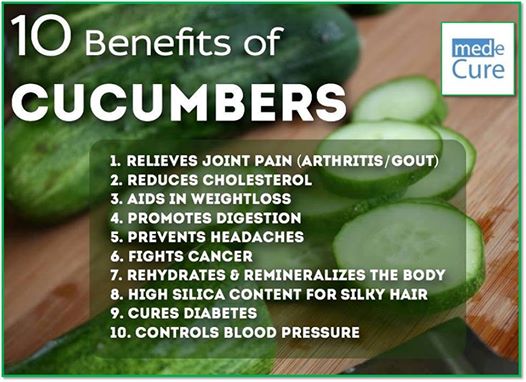
11.Chill with cucumber
Come summer and our timeline is flooded with cucumbers, coconut water and so on. Don’t you enjoy them irrespective of the season.
Health tip 11


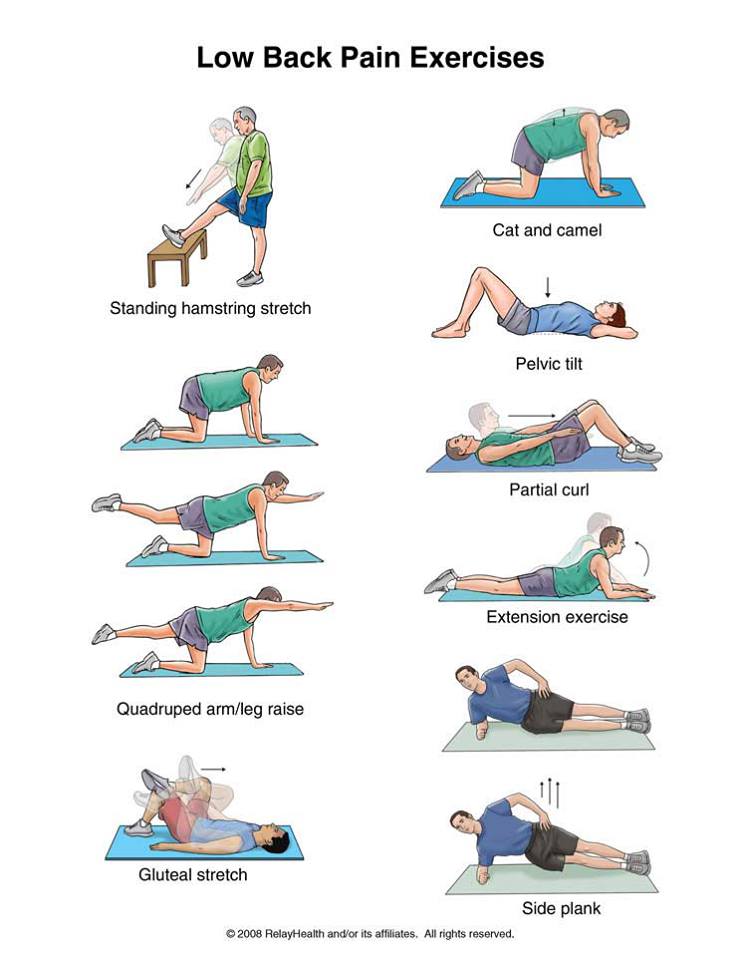
12.Lumbar pain exercises regime
We all tech-savvy people struggle with back pain and hence, these posts are very popular and most shared on health pages.
Health tip 12


13.Anti-aging food
This is our favorite post, no matter how many times we see it; we click it at least once to check the top 10 foods that can slowdown aging. Don’t you?
Health tip 13


14.Get rid of ugly dark circles
A health related page or a beauty page, this is a popular type of update we come across on a regular basis. Have you tried any of them? If yes, please share which one works the best!
Health tip 14


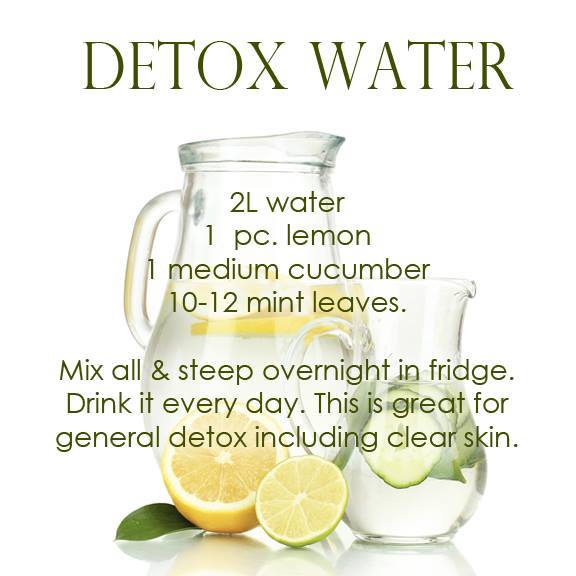
15.Detox water
Clear skin and healthy body; detox your body with this simple and natural tip.
Health tip15

16.Practice Yoga!
Don’t be surprised when your Facebook timeline is flooded with yoga poses, a number of health pages share the yoga poses to help you build overall fitness. Yoga is popular on Facebook worldwide.
Health tip 16
While you will get innumerable health tips on Facebook, the freedom to follow any of them lies totally with you. Make sure to consult with your family doctor before following these tips, especially if you suffer from a health issue.
Stay healthy, happy Facebooking! 

Tuesday, 22 March 2016

Dr. Oz's Top 10 Health and Fitness Tips of All Time

Get Strong, Not Skinny

Illness or injury may often be the instigator, but frailty is what kills us, says Dr. Mehmet Oz, cardiothoracic surgeon, author, and host of The Dr. Oz Show. Our bodies can't recover as well if we're not strong, which is why he recommends a balanced workout plan that includes strength, cardio, and flexibility training.
This doesn't mean you need to spend hours in the gym each week. The busy doctor has no problem fitting in his seven-minute workout every morning (check out the full routine here), which he says is better for you than the occasional hour-long gym session. And you can say goodbye to boring treadmill sessions. Instead, Dr. Oz suggests getting a basic pedometer and setting a goal of 10,000 steps per day (that's about five miles) to stay slim and healthy.

Cut Out the White Stuff

The easiest way to lose weight and improve your health? Ditch the white stuff! Most white foods (bread, rice, pasta, sugar, flour) are primarily made up of refined carbs and empty calories, so cutting them out of your diet is one of the quickest ways to shed pounds and improve your well-being, Dr. Oz says.
There are a few exceptions to the rule, including egg whites, cauliflower, and fish, he says. Those are the only white foods you should have on hand.


Bring On the Broccoli

They may be chock-full of nutrients, but exotic vegetables like celeriac and Jerusalem artichokes don't always appeal to more traditional pallets. And that's fine, according to Dr. Oz, who says broccoli is his all-time favorite produce.
"Broccoli is the best produce option because it cleanses the liver and helps to fight cancer," he says. To reap the most rewards, the doctor suggests cleaning and slicing cruciferous veggies (like broccoli) five to 10 minutes before cooking, and then steaming or microwaving them (instead of boiling) to help retain the most cancer-fighting compounds.

Get Your Daily Dose of D

"New research says that vitamin D may play a crucial role in weight loss by controlling appetite and helping fat cells become more metabolically active," Dr. Oz says. The sunshine vitamin also helps your body better absorb bone-boosting calcium, improves immunity, reduces inflammation, and may even protect against some forms of cancer. Nearly 75 percent of Americans are vitamin-D deficient, so there's a good chance you're not getting your recommended daily dose of 400 IU (some people may need as much as 1000 IU, so check with your doctor to find out what's right for you).
"The best sources [of vitamin D] are salmon, tuna, and mackerel (especially the flesh)," Dr. Oz says, adding that "fish liver oils, beef liver, cheese, and egg yolks also contain small amounts."
And don't forget the most convenient source of all: sunlight. "Vitamin D is actually produced in your body when ultraviolet rays from sunlight strike your skin; the UV rays trigger synthesis of vitamin D, which then gets converted in your liver into its active form."

Drink More Water

There's a reason Dr. Oz can't omit this expected tip from the list. Drinking water is so imperative for staying healthy, energized, and even losing weight. There are so many reasons to stay hydrated—hunger is often disguised as thirst, it boosts your metabolism, and water is the best energy drink available, he says.
To find out exactly how much water you should be drinking, divide your body weight (in pounds) by two and aim to drink that many ounces of water every day.

Trade Supplements for Tea

Drinking all-natural green tea is an excellent way to boost your weight loss and your health. Not only does it have the power to stoke your metabolism, but it also contains the highest concentration of catechins, antioxidants found in plants that have been found to protect against heart disease and even some cancers. Sip on a few cups of green tea throughout the day to get all of its amazing benefits.
Not a fan of tea? You can still reap the rewards! Try one (or all) 

Focus on Nutrients, Not Calories

While the amount of calories you consume is crucial for weight loss, the quality of your food is often more important (and often ignored). "Losing weight isn't all about cutting calories. Your brain is looking for nutrients, not calories, and [your brain] will prod you to eat until you're satisfied," says Dr. Oz, who cites a recent landmark study published in the New England Journal of Medicine that found specific foods, not just their calorie content, influence weight gain.
"After adjusting for age, baseline body mass index, and lifestyle factors such as exercise and sleep duration, the authors found that the foods most associated with adding pounds over a four-year period were French fries, potato chips, sugary drinks, meats (unprocessed red meat and processed meats), sweets, and refined grains; the foods most associated with shedding pounds were yogurt, nuts, whole grains, fruits, and vegetables."
These results aren't exactly ground-breaking, but they confirm what weight-loss experts have been recommending for years. To stay slim and healthy, fill up on high-fiber, nutrient-rich fruits, vegetables, grains, and lean meats (Dr. Oz always eats a piece of fruit or a handful of nuts prior to a large meal). This will help you avoid overloading on empty calories later, when you're starving.

Delay Dessert

You don't need to completely eliminate dessert (Dr. Oz says it's perfectly okay to indulge your sweet tooth in moderation), just try not to indulge immediately after dinner.
"Avoid sweets directly after a meal since sugar disrupts the absorption of nutrients," Dr. Oz says. The best time for a sweet treat is about two hours after you finish your meal. And when it comes to what you eat, try the good doctor's go-to dessert: dark chocolate.
"The flavonols found in cocoa improve circulation and increase blood flow to the brain, which helps you see more clearly," he says. (We also love these amazingly delicious—and 
The old saying 'you snooze, you lose' couldn't be more accurate when it comes to shedding pounds. According to Dr. Oz, depriving your body of sleep can speed up the aging process and deter your weight-loss efforts. "The brain craves carbohydrates when you're tired, so you could unknowingly sabotage even the best laid plans," he says. Aim for a good seven hours (minimum) of shuteye every night to allow your body to restore and to protect vital organ functions.


Make Breakfast Mandatory

You've heard it before, but it's worth repeating: Breakfast is still the most important meal of the day! "Skipping the first meal of the day can increase risk for obesity more than fourfold," Dr. Oz says. "If you don't eat right when you wake up, your body senses a famine is coming and slows your metabolism to compensate. Then, when your body is presented with food later, it's ravenous and wants to pack it in, leading to bingeing with a slow metabolism—a recipe for weight gain."
Your plan of action: Dr. Oz suggests automating your first meal of the day by eating the same breakfast (like an egg-white omelet or steel-cut oatmeal), or cycling through a small variety of breakfast foods each and every morning. If eating breakfast is a challenge for you, try some of these healthy grab-and-go source

Sunday, 20 March 2016

12 Great Newborn Mom Tips

1. Don't Hush-A-Bye-Baby
You don't have to be quiet while the baby is sleeping. The womb is loud, and newborns are used to the noise. When ours first came home, we watched television and I would vacuum, wash dishes and talk on the phone around her while she slept. She got used to sleeping with noise, and I could get stuff done. I am still able to vacuum in her room while she sleeps (she is 14 months), and she is peaceful and well rested when she wakes up.
Jennifer, mom of one in Stafford, VA
2. Soothe Your Wailing Newborn
When my baby cries, I comfort her by patting her back in a heartbeat-like rhythm. That helps her burp more quickly, and it also helps her relax if she's crying from insecurity. If this doesn’t work, I also try one or all of Dr. Harvey Karp's five calming moves: swaddling, shushing, holding her on her side, swinging her or letting her suck. Sometimes it takes all six! 
Anna., mom of one in National City, CA
3. Help Get Your Baby to Latch
If you are having latch-on issues while breastfeeding your baby, you can use breast shields to help the process. This was a wonderful tip that I learned from my lactation consultant. I had to use the shields for an entire month before my baby would latch onto my own nipple without them. Had it not been for the breast shields, I would not have been able to continue nursing my baby. 
April, mom of one in Henderson, NV
4. Get Prepped
At 3 weeks, babies’ days and nights become more predictable, and you can focus on yourself in addition to your newborn. One way to do that is by reducing your stress level - and having everything ready for your hungry baby and yourself is one way to do that. Start by prepping for the next feeding as soon as the previous one is over. For example, after an 11 p.m. feeding, get ready for the 2 a.m. one by prepping whatever you need for feeding and putting out fresh drinking water for yourself so you don’t have anything to think about in the middle of the night. During the day, take advantage of the baby’s naps to work out, shower or catch up on e-mail, or take a nap too. 
Paula, mom of one in Littleton, CO
5. Keeping Your Baby Awake During Feedings
When our baby was eating slowly and sleepily, my husband and I would massage her cheek to stimulate her to eat faster. A gentle stroke with a fingertip on her cheek was all it took, and on those long sleepless nights, this simple trick was a godsend! Our friends have found it works great with their infants too. When babies eat efficiently until they're full before going to sleep, they sleep for longer between feedings. And that means you’re both likely to be calmer! 
Elizabeth, mom of one in Virginia Beach, VA
6. Help Your Baby Bond with Dad 
Make sure your baby has ample time alone with Daddy. His touch and voice are different than yours, and this will begin a bonding process and give you a break. Plus, it gets the baby used to being with someone other than you. The first few times can be hard. Make sure your baby is fed and well rested, as this will give you at least one or two hours before you're needed again. Then leave Dad and the baby alone. If you stay nearby, make sure the baby can’t see or hear you, and resist the urge to go into the room and "fix" things if she starts crying. Your baby cries with you and you experiment to find out what's wrong. Dads need time to do this too - in their own way. By allowing this time, your child will learn there is more than one way to receive comfort, which will help immensely when you leave your baby with a sitter or another family member for the first time. You could have your partner bathe her, put her to bed or just read or talk to her. 
Tiffany, mom of one in Colorado Springs, CO
7. Crib Comfort 
When my daughter was 3 weeks, she liked to sleep only on me. Every time I put her in her bassinet after she fell asleep on me, she would wake up. I realized she probably liked the warmth. So I started wrapping a blanket around a heating pad and letting it warm up her bed while I fed her. After she was done and had fallen asleep, I removed the heating pad and slipped the baby between the folds of the warm blanket. She would snuggle right in. Prewarming a blanket in the dryer also works.
Pam, mom of one in Newnan, GA
8. Sleep Trick
When our baby was around 3 weeks old, she would cry and fuss because she was having a hard time falling asleep. One day, we started rubbing her nose, and it worked. In fact, it worked every time. We would start at the top and stroke it straight down to the tip, over and over. Her eyes would grow heavy and eventually close. She is now 4 months old and it still works. 
Hannah, mom of one in Mackinaw, IL
9. Let Your Baby Lead The Way 
Being a first-time parent can be stressful - especially when everyone wants to put in their two cents and what they're telling you doesn't feel right. As soon as I came home with my baby, my friends and relatives started giving me advice (more like demands) on how to raise her - they wanted me to do everything on schedule. It was nerve-racking, but I learned to ignore it and remember that this is my child. I couldn't bear the thought of hearing him cry in hunger because it hadn’t been three hours since his last feeding. If you let your baby - not someone else - tell you when he is hungry or tired, you will find that he (and you!) will be much happier and healthier. 
Alena, mom of one in Palm Beach Gardens, FL
10. Baby's First Baths
After the baby's umbilical cord stump falls off (generally by week 3), you’ll finally be able to give her a real bath. To keep the baby warmer, more comfortable and less likely to cry, place a warm washcloth over her tummy during the bath. It makes all the difference between a happy water baby and a miserable one. Also, if your house is on the colder side, turn up the heat a little before the bath so the cold air won't be as much of a shock after the bath. These tips made all the difference for my little girl - she loves bath time. 
Rachel, mom of one in Los Gatos, CA
11. Another Reason Babies Cry
People always say that babies cry because they want food, their diaper needs to be changed, they're bored, etc., but they always leave out that the baby might be cranky because he's tired. Our son used to go nuts during his first month, and we tried everything to calm him. It turned out that what he really needed was less stimulation and more sleep. Sometimes babies really need less - not more - from you. 
Kim, mom of one in Glendale, NY
12. Layer Your Baby's Crib
When a baby has a diaper blowout or upset tummy in the middle of the night, it can be hard on both mom and baby to have to completely unmake the crib or bassinet and change all the sheets - and all the fussing makes it that much harder to get the baby back to sleep. So I put two layers of sheets and waterproof mattress covers on the crib mattress at a time (mattress cover, sheet, mattress cover, sheet). That way, we can just pull off the top two layers, change her and put her back in bed. No fumbling for clean bedclothes - and no 2 a.m. laundry detail! 

source

Saturday, 19 March 2016

Stand To Work If You Like, But Don't Brag About The Benefits

I've been itching to get a standing desk. After all, America's sitting itself into an early grave. Sitting is the new smoking. Clearly, a standing desk would stop me from sitting, and standing is just so much better for you than sitting, right?


Contrary to popular belief, science does not say so.
Too much sitting increases heart failure risk and disability risk, and shortens life expectancy, studies have found. But according to an analysis published Wednesday of 20 of the best studies done so far, there's little evidence that workplace interventions like the sit-stand desk or even the flashier pedaling or treadmill desks will help you burn lots more calories, or prevent or reverse the harm of sitting for hours on end.
"What we actually found is that most of it is, very much, just fashionable and not proven good for your health," says Dr. Jos Verbeek, a health researcher at the Finnish Institute of Occupational Health.
Verbeek says that the studies he and his co-authors analyzed came to conflicting conclusions about whether sit-stand desks reduce sitting time. Even the best research available wasn't great, the researchers write in the Cochrane Database of Systematic Reviews. The studies were either too small to be significant, the scientists say, or were poorly designed. For example, most were not randomized controlled trials, and the longest study followed participants for only six months.
In fact, there isn't really any evidence that standing is better than sitting, Verbeek adds. The extra calories you burn from standing over sitting for a day are barely enough to cover a couple of banana chips.
"The idea you should be standing four hours a day? There's no real evidence for that," he says. "I would say that there's evidence that standing can be bad for your health." A 2005 study in Denmark showed prolonged standing at work led to a higher hospitalization risk for enlarged veins.
But standing doesn't have to be harmful, says Lucas Carr, a behavioral medicine professor at the University of Iowa who was not involved in the meta-analysis. He thinks as long as you stand in moderation, you can still reap some benefits.
"The health benefits of standing are not well-known," Carr agrees. "But you're going to burn more calories standing than sitting. I know it's not a tremendous amount." Still, he says, "those calories every day over many years will add up."
Carr says the finding of the Cochrane review doesn't mean that standing desks and variations are useless. It just means there hasn't been enough study of the desks to say either way. "The state of the science is definitely early," he says. "There needs to be longer studies with more people to get a good sense these desks actually cause people to stand."
Carr thinks there is the the potential for sit-stand desks to prove useful in preventing healthy office workers from becoming unhealthy. Verbeek is less optimistic. Just because the standing desk or the pedaling desk is in the cubicle doesn't mean people will get out of the chair and use it.
"Changing behavior is very difficult," Verbeek says.
He thinks redesigning work environments might be a better way to go. "For example, organize a printer in the corridor that's further away from your desk," he says. Or — and architects can have this one for free — make the one bathroom five flights of stairs up, and restrict use of elevators to people with accessibility needs.
 source:  http://www.npr.org/sections/health-shots/2016/03/17/470713717/stand-to-work-if-you-like-but-dont-brag-about-its-benefits

Wednesday, 16 March 2016

How to Be a Healthy Teen Girl

Steps

  1. Image titled Be a Healthy Teen Girl Step 1
    1
    Start off right with drinking more water. Keeping your body hydrated with several glasses of water a day will help regulate metabolism and purify your body. A good rule of thumb is to take your weight and divide in half to find out how much water you should be drinking daily. i.e. If you weigh 100 pounds, you need to drink half that weight in ounces (50 ounces) of water every day. This will also help you to urinate, which helps you lose weight and flush your digestive system of any foreign substances. Plus,it can boost your immune system.
  2. Image titled Be a Healthy Teen Girl Step 2
    2
    Maintain a regular sleep pattern. The average teen needs at least 8 hours of sleep a night. Getting 7 to 8 hours of sleep is a major factor contributing to how healthy you are. Getting enough sleep raises your alertness during the day, and minimizes anxiety. Regulate a set bed time each night and try to stick to it.
  3. Image titled Be a Healthy Teen Girl Step 3
    3
    Eat breakfast every day. Breakfast is the most important meal, because it provides your body with its first fuel of the day. Good breakfast foods include fruit, eggs, milk, cream of wheat, oatmeal, or toast. Starting with a good breakfast will also keep you concentrated during the day, and you will have fewer cravings.
  4. Image titled Be a Healthy Teen Girl Step 4
    4
    Avoid junk food. This isn't limited to just the foods served at fast food restaurants, all foods with limited to no nutritional value qualifies as junk food. Think of it as littering your body; your body can't do anything productive with junk food. Stick to healthy foods that are high in protein, vitamins and minerals such as unsalted nuts, dried fruit and small salads. your body will be able to use these things much better than junk food. Try and stay away from refined carbohydrates and sugar.
  5. Image titled Be a Healthy Teen Girl Step 5
    5
    Replace unhealthy foods with healthy foods. You can replace white bread with wheat bread (also known as brown bread or wholegrain). Think about swapping crisps/potato chips to nuts or crackers, and sweets for berries/dried fruits/bananas.
  6. Image titled Be a Healthy Teen Girl Step 6
    6
    Eat meals slowly, and stop eating when you are full. This is the most basic principle of good eating habits, yet many people feel they must finish what is on their plate. Hunger is your body's way of letting you know that it needs fuel. Fullness, or satiety, is your body's way of letting you know it doesn't need any more food. If you stop eating when you are full, you will get hungry every couple of hours, which is a good thing, this means your body is using what you give it.
  7. Image titled Be a Healthy Teen Girl Step 7
    7
    Snack healthfully. Eat a piece of fruit, a handful of nuts, some celery, or a piece of cheese. Anything healthy as a snack will help maintain your energy level throughout the day. Choosing anything low-fat, low-sugar, or low-sodium isn't always better than anything full-fat, full-sugar, or full-sodium. Nuts and seeds have a lot of healthy fats, the unsaturated fats. Monounsaturated and polyunsaturated fats are extremely healthy for teenage girls, and also help to prevent blood sugar spikes.
  8. Image titled Be a Healthy Teen Girl Step 8
    8
    Exercise at least three to five times per week. Each time you should be exercising enough to work up a sweat for at least twenty to thirty minutes (preferably up to an hour). But don't limit your physical activity to your work outs at the gym: by walking/biking more places you'll get more sunlight, which boosts your mood, and you'll also get some less strenuous physical activity. Go for a run, a bike ride, or a challenging hike. If you don't like to exercise on your own, join a fitness club, find a buddy to work out with,(dogs are great ones!) or join a sports team. Keeping active will make you stronger physically and mentally. If you don't wish to work that hard, its recommended to walk at least 5 times a week and fast enough that if you sing you become a little breathless.
  9. Image titled Be a Healthy Teen Girl Step 9
    9
    Stick to a hygiene regimen. Wash your face in the morning and at night before you go to bed to keep your skin healthy and clean. Brush your teeth two to three times a day (after you wake, when your breath is bad, before bed) for a clean and fresh mouth. Remember not to brush your teeth too often (such as every time you eat a meal) as it can wear away your enamel. Taking care of your appearance will also make you feel better about yourself, which really is the most important thing. You should always wash your face after some times so that your face looks fresh.
  10. Image titled Be a Healthy Teen Girl Step 10
    10
    Keep good posture. Don't slump during class or at work! Hold yourself straight. There are many exercises that can help. If you have a laptop, work at a desk or with your back propped up.
  11. Image titled Be a Healthy Teen Girl Step 11
    11
    Make sure that you believe in yourself. This will help self esteem and stick with whatever you put your mind to. Another great idea is to have someone to motivate you or you can do it with a friend! Be confident. You may fail at times, but keep at it and you'll get there! Have a healthy mindset and remember you are always beautiful in your own special way. Try not to worry so much about what others think of you, because nobody is perfect.